




Advanced Peptide Solutions Designed for Tissue Repair Research
Tissue repair research investigates the complex mechanisms underlying regeneration, wound healing, and structural restoration. Cellular signaling peptides play crucial roles in regeneration models, acting as molecular messengers that coordinate repair responses at the cellular level.Research Peptides for Tissue Repair Studies
Regeneration-focused laboratories commonly utilize peptides that influence fibroblast activity, collagen expression, and extracellular matrix remodeling. Researchers study how these compounds affect structural support mechanisms, examining their impact on tissue architecture and cellular organization during repair processes.Peptides for Faster Cellular Health and Recovery
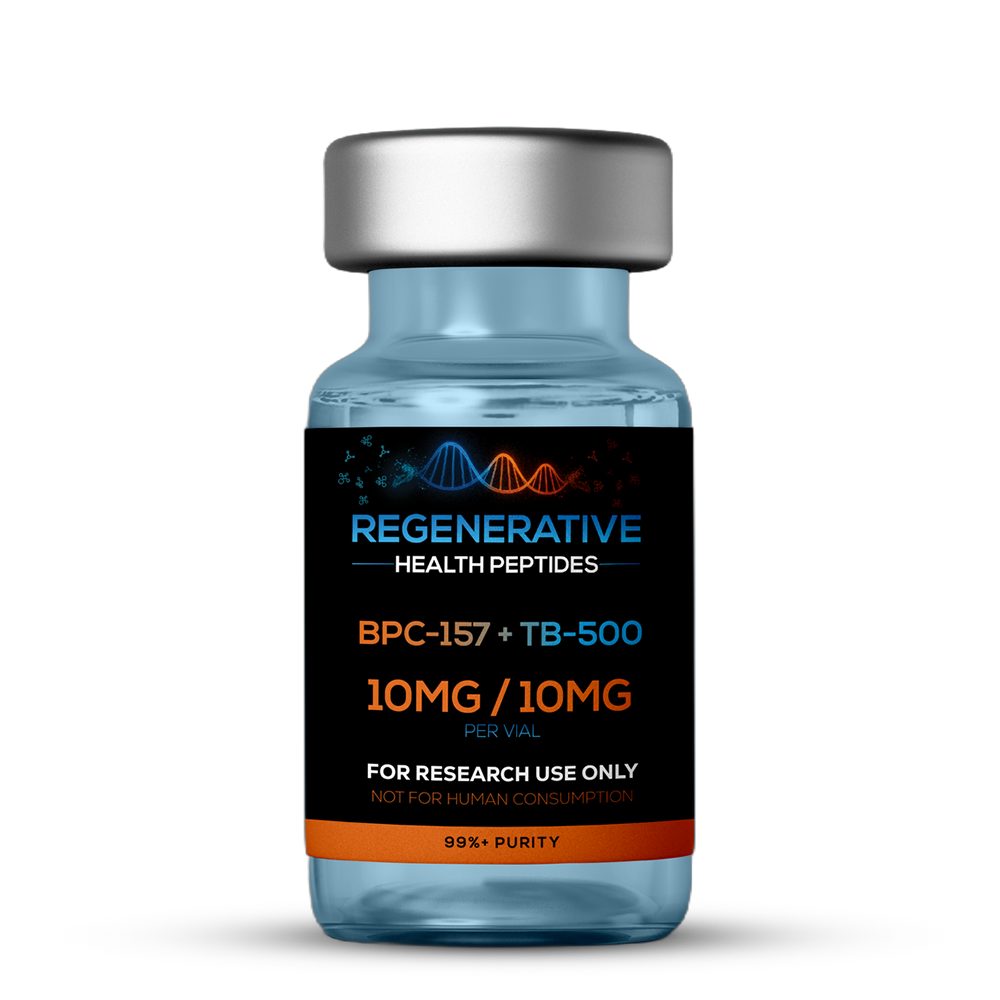
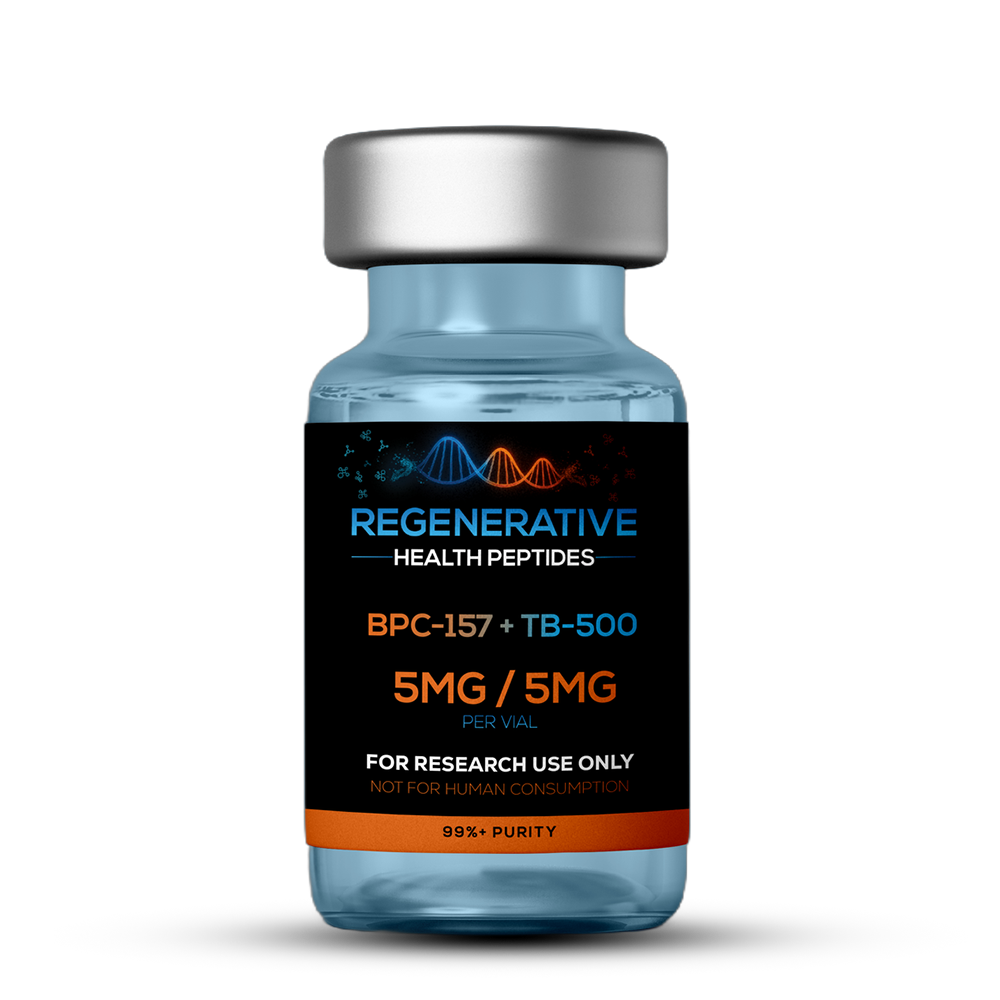
Cellular health markers provide insight into recovery mechanisms. Peptides are evaluated in preclinical assays measuring proliferation rates, differentiation patterns, and stress responses. Our cellular recovery peptides, like Epithalon (Epitalon), BPC-157, TB-500, BPC-157 + TB-500 (both the 10mg/10mg and 5mg/5mg blends), Thymosin Alpha-1, GHK-Cu, are frequently examined in laboratory studies focused on growth-factor activity and inflammatory pathways associated with wound-healing research. The mechanistic explanation of cellular health involves examining mitochondrial function, protein synthesis rates, and oxidative stress resistance, all areas where specific peptides serve as valuable research tools.RHPeptides' Reliability in Healing/Recovery Research
Manufacturing precision and consistency form the foundation of meaningful tissue-based experimentation. Our rigorous quality control supports reproducible outcomes, ensuring that variables in your research stem from experimental conditions rather than material inconsistencies.Documentation & Batch Traceability
Every peptide is supported by full analytical documentation. That allows researchers to track:- Batch data
- Purity reports
- Identity confirmation