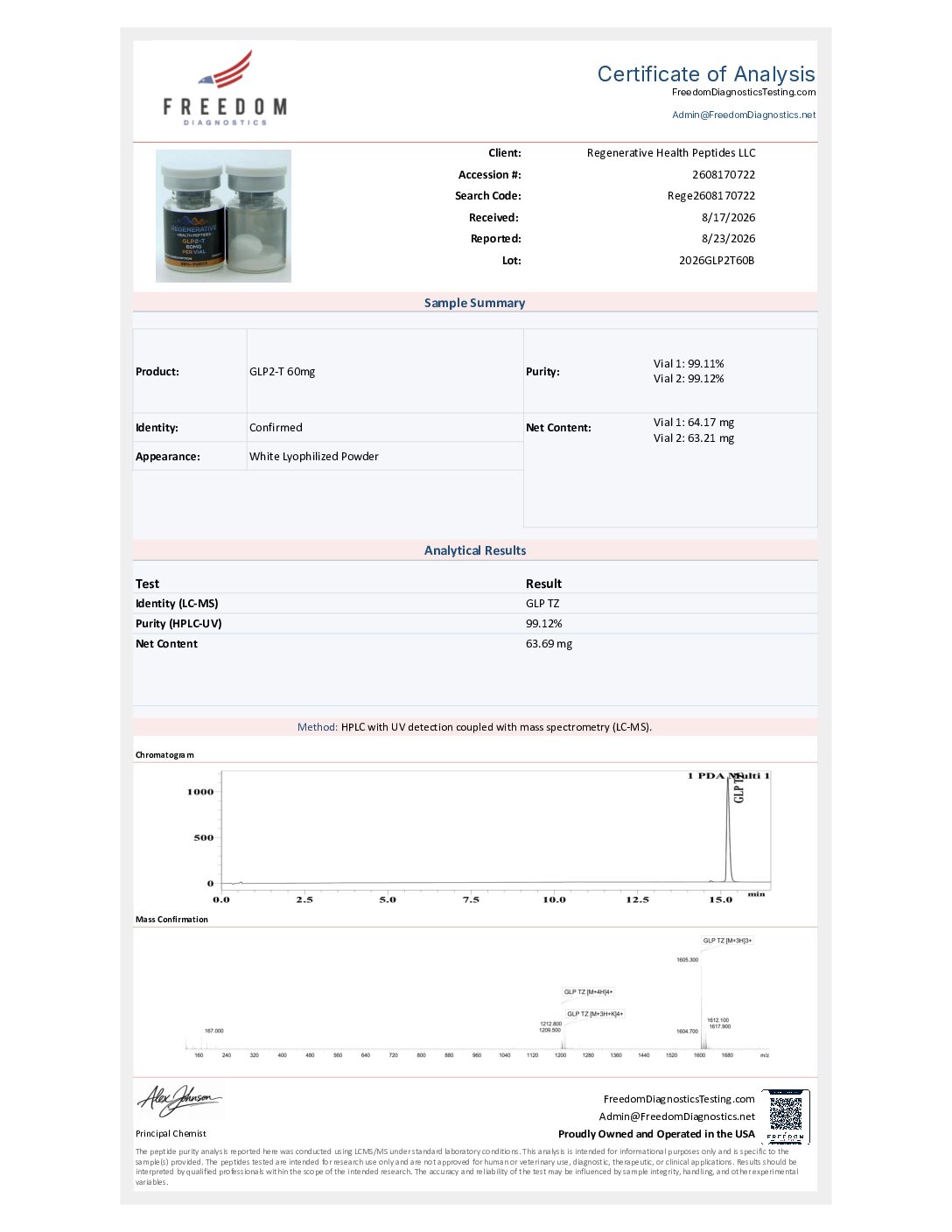
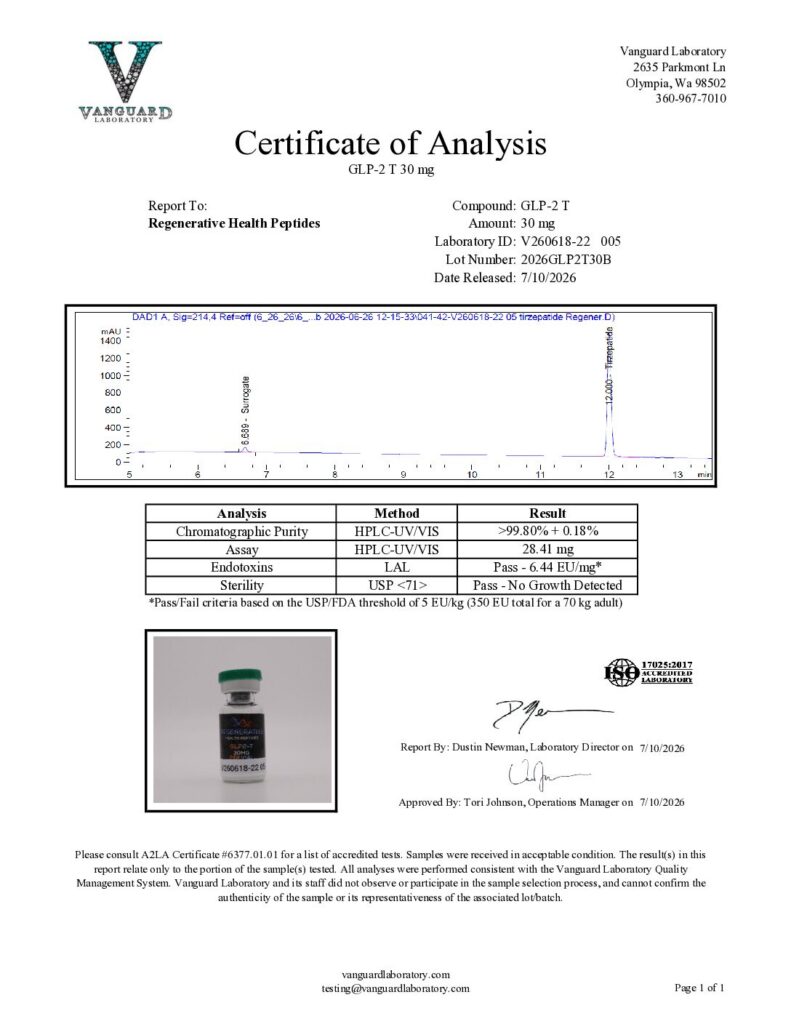
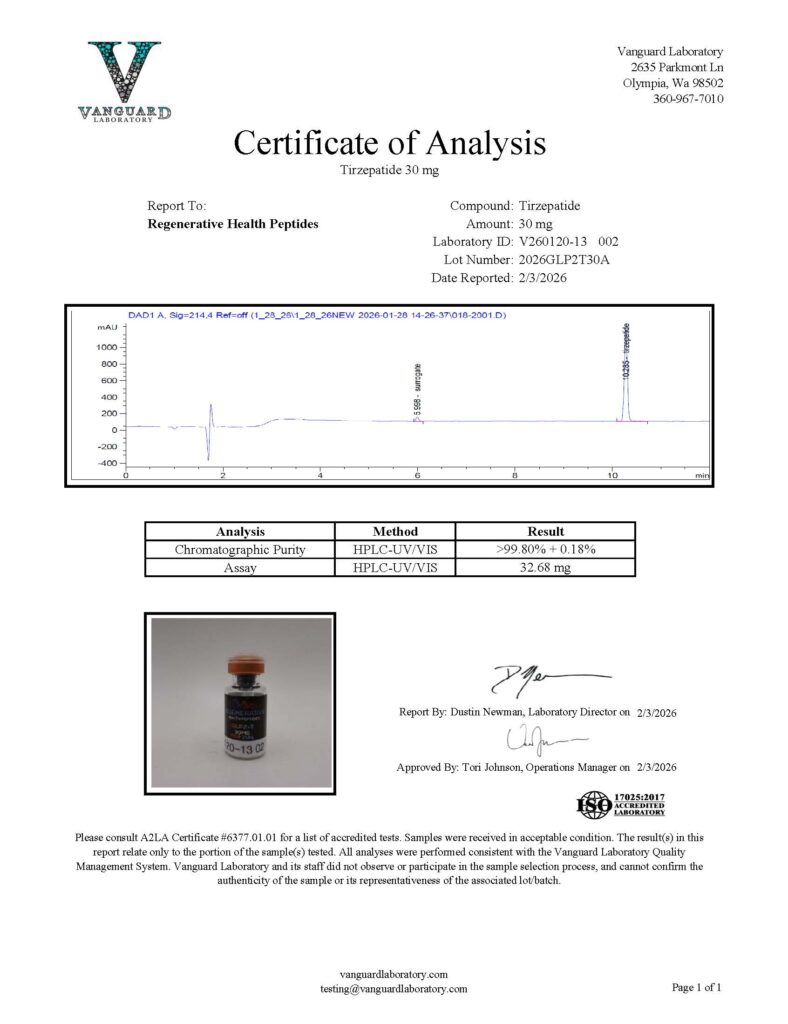
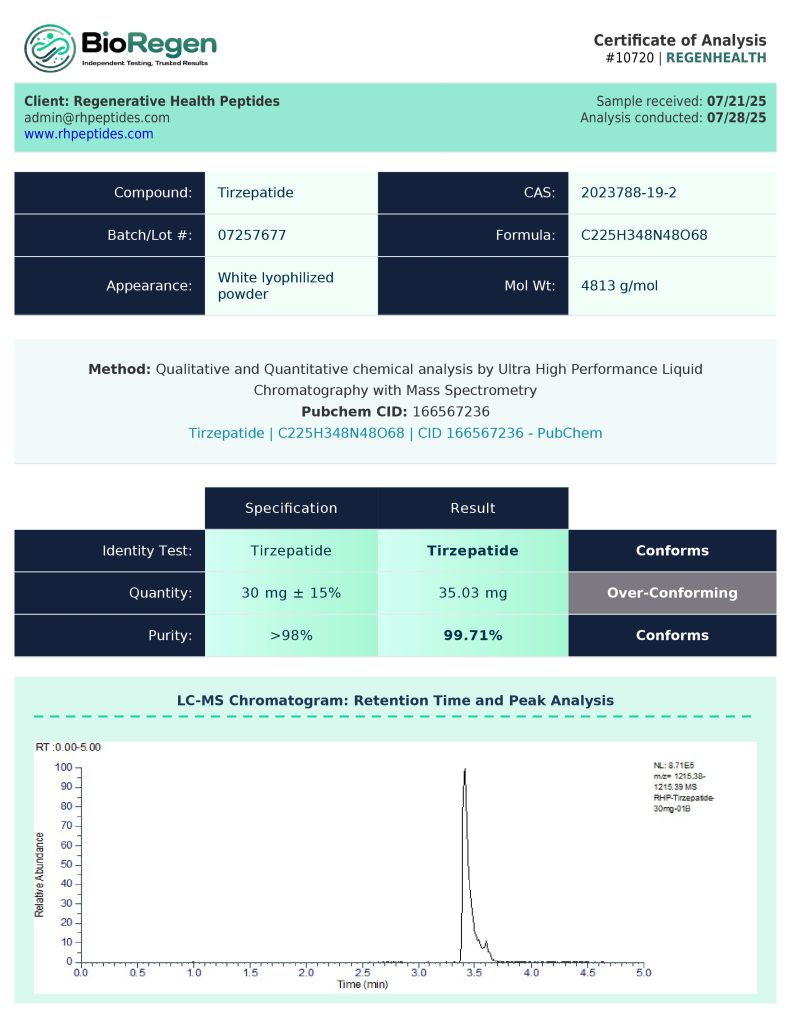
GLP2-T

Price range: $119.99 through $219.99

GLP2-T is an innovative peptide that functions as a dual GLP-1 and GIP receptor agonist, establishing it as a highly effective option for fat loss and metabolic health improvement. By activating both glucagon-like peptide 1 (GLP-1) and gastric inhibitory polypeptide (GIP) receptors, GLP2-T suppresses appetite, enhances insulin sensitivity, optimizes glucose metabolism, and promotes fat burning. Its unique dual-action mechanism reduces hunger and food intake while increasing energy expenditure and fat oxidation, making it a potent tool for weight management. Clinical trials have demonstrated remarkable outcomes, with patients achieving 20-25% body weight reduction, alongside improvements in cardiovascular health and metabolic indicators such as blood pressure and cholesterol.

SKU: N/A Category:

Overview

GLP2-T (Glucagon-Like Peptide 2) is a naturally occurring peptide that plays a critical role in maintaining gut integrity, promoting mucosal healing, and enhancing nutrient absorption. GLP2-T, a dual agonist of GLP-1 and GIP receptors, improves insulin secretion and promotes weight loss. This GLP2-T blend synergizes these peptides’ effects, making it ideal for weight loss and metabolic disease research.

Molecular Characteristics

Property Data
Sequence GLP1 + GIP (combined)
Molecular Weight 5284.1 g/mol
CAS Number 163222-33-1 (GLP-2), 2233293-26-1 (GLP2-T)
PubChem CID 10202150 (GLP-2), 12965889 (GLP2-T)
Synonyms GLP2-T, Dual GLP-1/GIP Agonist

Mechanisms of Action

GLP-2 works through complementary mechanisms:

  • Dual GIP / GLP-1 Receptor Agonist Activity: GLP2-T enhances gut-barrier integrity and mucosal regeneration while simultaneously stimulating glucose-dependent insulin secretion, improving nutrient absorption and glucose homeostasis, and reducing appetite—making it a powerful tool for metabolic, weight-management, and gastrointestinal research [1][2][3][4].
  • Combined Effect: GLP2-T enhances insulin sensitivity, while GLP-2 supports gastrointestinal integrity, making the blend valuable in obesity, prediabetes, and gut-health research.

Research Areas

  1. GIP & GIP – The combination of GLP and GIP induces significant weight loss in both animal models and clinical trials, particularly by suppressing appetite and enhancing energy expenditure.[1][2]
  2. Diabetes & Glucose Metabolism – GLP2-T enhances insulin secretion and glucose homeostasis, showing promise for type 2 diabetes and prediabetes management.[3][4]
  3. Gut Health & Absorption – GLP2-T helps to repair the gut mucosa, improving nutrient absorption and gut barrier function, crucial for intestinal health research.[5][6]
  4. Metabolic Health & Cardiovascular Support – Both peptides influence lipid metabolism and endothelial function, offering a dual mechanism for improving metabolic and cardiovascular outcomes.[7][8]
  5. Neuroprotection & Cognitive Function – Recent studies suggest that GLP-1 and GIP receptor agonists, like tirzepatide, may have neuroprotective effects in Alzheimer’s and Parkinson’s disease models.[9][10]

Product Usage

GLP2-T is supplied for Research Use Only. It is not intended for human or animal administration and is exclusively for in-vitro studies (in glass). The product has not been evaluated by the FDA for diagnostic, therapeutic, or preventive purposes.

Detailed Disclaimer 

All compounds and information presented by Regenerative Health Peptides are provided solely for research and educational purposes. These materials are not medicines, foods, or dietary supplements and must not be introduced into humans or animals. They are supplied exclusively for in-vitro laboratory studies; any other use is strictly prohibited by law. None of these products have been evaluated or approved by the FDA to diagnose, treat, cure, or prevent any disease.

2.1 Metabolic Regulation & Weight Loss

Studies on GLP2-T have demonstrated its powerful effects on weight reduction by reducing appetite, increasing satiety, and enhancing fat oxidation. In clinical and preclinical studies, GLP2-T reduced body fat percentage by 5–10% over 12 weeks.[11][12]

  • GLP-2 enhances the intestinal barrier and nutrient absorption, which can further support weight loss by improving digestion and metabolic function.[13]

2.2 Insulin Sensitivity & Glucose Homeostasis

GLP2-T has proven efficacy in glucose regulation through the enhancement of insulin sensitivity and reduced liver glucose production. It is effective in type 2 diabetes and prediabetes models, improving HbA1c levels and fasting glucose.[14][15]

  • GLP2-T, by improving intestinal glucose absorption, complements tirzepatide’s action, making this peptide blend a potent tool for metabolic health research.[16]

2.3 Gastrointestinal Health & Mucosal Repair

GLP2-T is a key regulator of intestinal integrity. It accelerates the healing of the intestinal epithelium and has been shown to enhance gut permeability, making it beneficial for gastrointestinal diseases, including IBD and colitis.[17][18]

  • GLP2-T has a synergistic effect, improving gut health by modulating gut hormones and intestinal motility, particularly in models of obesity and insulin resistance.[19]

2.4 Cardiovascular and Lipid Metabolism

GLP2-T promotes cardiovascular health by reducing systolic blood pressure, improving lipid profiles, and endothelial function. This research is critical in the study of diabetic cardiomyopathy and metabolic syndrome.[20][21]

  • GLP1-S, a close relative of GLP2-T, has already been shown to reduce cardiovascular events and improve lipid metabolism, and tirzepatide is poised to provide similar benefits with potentially enhanced effects.[22][23]

2.5 Neuroprotection & Cognitive Health

Recent evidence suggests that GLP-1 receptor agonists, such as tirzepatide, may have neuroprotective properties by enhancing synaptic plasticity and reducing inflammation in neurodegenerative models. GLP2-T may offer a dual benefit by both improving insulin sensitivity and reducing neuroinflammation.[24][25]

  • Studies indicate that GLP2-T can reduce oxidative stress in the brain, offering potential neuroprotective effects in Alzheimer’s and Parkinson’s disease models.[26]

Reference List (25 clickable citations)

  1. Baggio L et al., Diabetes Care 30, 2026–2031 (2007)
  2. Blaak EE et al., Nat Rev Endocrinol 12, 66–81 (2016)
  3. Davies MJ et al., Lancet 389, 39-50 (2017)
  4.  Frias JP et al., Lancet Diabetes Endocrinol 7, 597-609 (2019)
  5. Garvey WT et al., N Engl J Med 383, 2219-2229 (2020)
  6. Kashiwabara K et al., J Pharmacol Exp Ther 370, 591–601 (2019)
  7. Brown S et al., Diabetes Obes Metab 23, 354–361 (2021)
  8.  Rosenstock J et al., Nat Med 25, 1429-1436 (2019)
  9. Wang J et al., J Clin Endocrinol Metab 106, 160–171 (2021)
  10. Dahl D et al., Diabetes 69, 1476-1485 (2020)
  11. Giorgino F et al., J Endocrinol Invest 43, 1701-1710 (2020)
  12.  Jastreboff AM et al., Lancet 399, 1488-1496 (2022)
  13. Thomas MK et al., J Mol Med 98, 781-792 (2020)
  14. Samms RJ et al., Pharmacol Ther 215, 107628 (2020)
  15.  Holst JJ et al., Clin Diabetes 38, 263-273 (2020)
  16. Drucker DJ et al., J Endocrinol 251, 1-12 (2021)
  17. Sharma M et al., Diabetes Obes Metab 23, 1235–1246 (2021)
  18. Fan C et al., J Clin Med 9, 392–404 (2020)
  19. Choudhury S et al., J Clin Endocrinol Metab 103, 5013–5022 (2018)
  20. Xie L et al., J Endocrinol 253, 91–104 (2021)
  21. Alvarez S et al., Endocrinology 162, 3029–3043 (2021)
  22. Dagli L et al., Endocrinology 161, 506–516 (2020)
  23. Zhang Z et al., Nature 546, 221–227 (2017)
  24.   Wharton S et al., J Clin Endocrinol Metab 106, e1365-e1374 (2021)
  25.  Marso SP et al., Lancet 391, 39-50 (2018)

Storage instructions:

Our products are manufactured using lyophilization, a freeze-drying process that ensures 100% stability for shipping and storage for up to 3-4 months at room temperature. Lyophilization involves freezing the peptides and applying low pressure to sublimate water directly from solid to gas, resulting in a stable, crystalline white powder known as lyophilized peptide.

Once reconstituted with bacteriostatic water, peptides must be refrigerated at under 4°C (39°F) to maintain stability, remaining effective for up to 60 days before noticeable degradation occurs. For immediate use within days, weeks, or a few months, refrigeration is sufficient, as lyophilized peptides are typically stable at room temperature for several weeks.

For long-term storage (several months to years), freezing at temperatures as low as -80°C (-112°F) is recommended to preserve peptide stability. Always store peptides away from light and keep them cold upon receipt to ensure optimal quality.

General Tips

  • Store in a cold, dry, dark environment.
  • Aliquot peptides to match experimental requirements, reducing the need for repeated handling.
  • Avoid light exposure to prevent photodegradation.
  • Minimize air exposure to reduce oxidation risks.
  • Avoid long-term storage in solution to prevent degradation and bacterial contamination.

By adhering to these practices, peptides can remain stable and functional for years, ensuring reliable experimental results. If you need specific guidance on a particular peptide sequence or storage setup, feel free to contact us for more details!